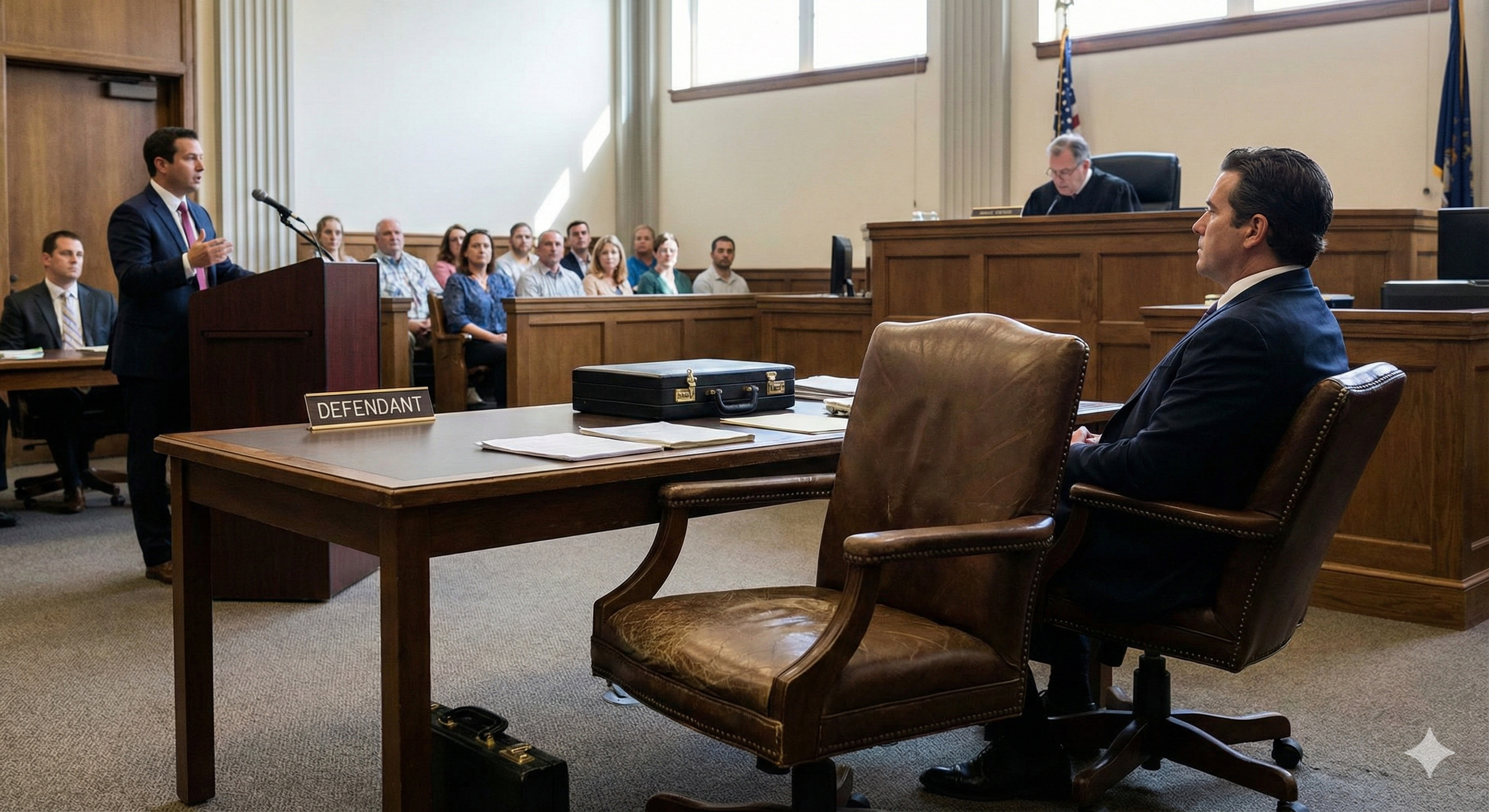
Not at Trial!
Based on Oklahoma law and legal precedent, the primary legal argument for suppressing a portable breath test (PBT) in a DUI trial is that the results are inadmissible as a matter of law to prove intoxication or a specific blood alcohol concentration (BAC).
A defense attorney would file a "Motion to Suppress" or, more commonly, a "Motion in Limine" (a motion to prevent the prosecution from even mentioning the PBT results at trial) based on the following key arguments:
1. PBTs are Not Evidentiary Instruments
The central argument is that Oklahoma law distinguishes between preliminary, roadside screening devices (PBTs) and the official, evidentiary chemical tests (like the Intoxilyzer 8000) administered at a police station or detention center.
Limited Purpose: PBTs are legally intended for one purpose: to help an officer establish probable cause to make an arrest. They are screening tools, not diagnostic instruments.
Scientific Unreliability: The results are considered inherently unreliable for evidentiary purposes. Oklahoma courts have recognized that PBTs are not on the list of approved evidentiary breath-testing devices by the Oklahoma Board of Tests for Alcohol and Drug Influence (BOT).
2. Lack of Scientific Foundation (Unreliability)
A motion to suppress would detail the numerous, well-documented reasons why PBTs are scientifically unreliable, and therefore their admission would be highly prejudicial to the defendant. These reasons include:
No Standardized Calibration: PBTs are not subject to the same rigorous calibration, maintenance, and certification standards as the evidentiary Intoxilyzer machines.
Susceptibility to Contaminants: PBTs are highly sensitive to "mouth alcohol" and other interfering substances, which can create a falsely high reading. This can be caused by:
Recent consumption of an alcoholic beverage
Mouthwash or breath spray
Cough drops
Burping or acid reflux (GERD)
Environmental Factors: The results can be skewed by ambient temperature, humidity, and radio frequency interference.
Lack of Observation Period: Officers administering a PBT in the field do not conduct the mandatory 15-minute observation period required for an evidentiary test. This period is crucial for ensuring the subject's mouth is free from contaminants.
3. Prejudicial vs. Probative Value
The legal argument, rooted in the Oklahoma Evidence Code, is that even if the PBT result had any minimal "probative" value (tendency to prove a fact), that value is substantially outweighed by the danger of unfair prejudice.
Prejudice: A jury would likely be confused and give the PBT result the same weight as the highly regulated, scientific test from the police station. They might see a number and immediately assume guilt, without understanding the device's inherent flaws.
Probative Value: Since the PBT result is not a legally recognized measure of BAC, its only probative value would be to show the mere presence of alcohol, which is not illegal. Its value is minimal compared to the high risk of prejudice.
Author: Brian J. Boeheim
Brought to you by: Boeheim Freeman Law - 616 S. Boston Ave. - Tulsa, Oklahoma - 918-884-7791