constitutional rights

First Amendment Free Speech: Government vs. Private Infringement

First Amendment Free Speech: Government vs. Private Infringement

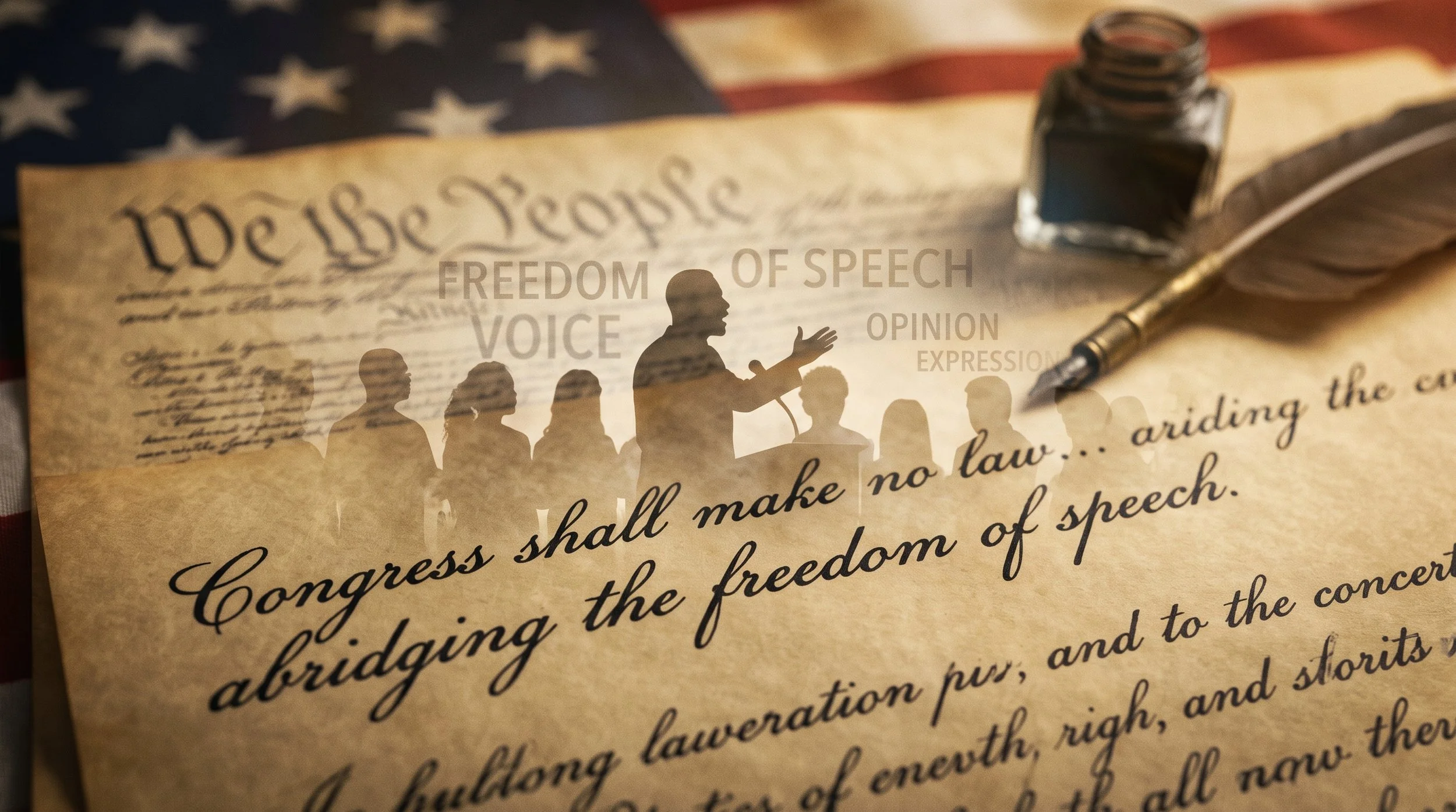
The First Amendment explicitly dictates that the government—whether at the federal, state, or local municipal level—cannot punish you, censor your speech, or unlawfully restrict your expression. If a government entity or law enforcement agency attempts to silence your lawful speech, that is a direct violation of your constitutional rights.
Limits to Pleading the 5th Amendment

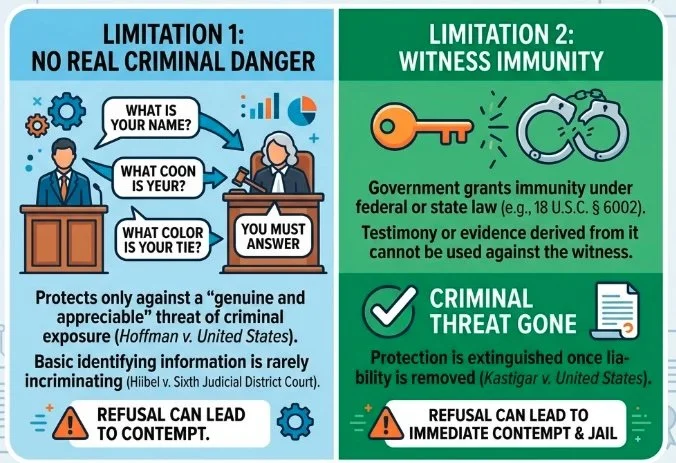
Limits to Pleading the 5th Amendment

Crime dramas suggest you can refuse to answer any question simply by uttering those famous words, “ I plead the 5th.” However, it is not a universal pass to remain silent; it requires a genuine, demonstrable threat of criminal exposure.

Why Remaining Silent Matters

Why Remaining Silent Matters

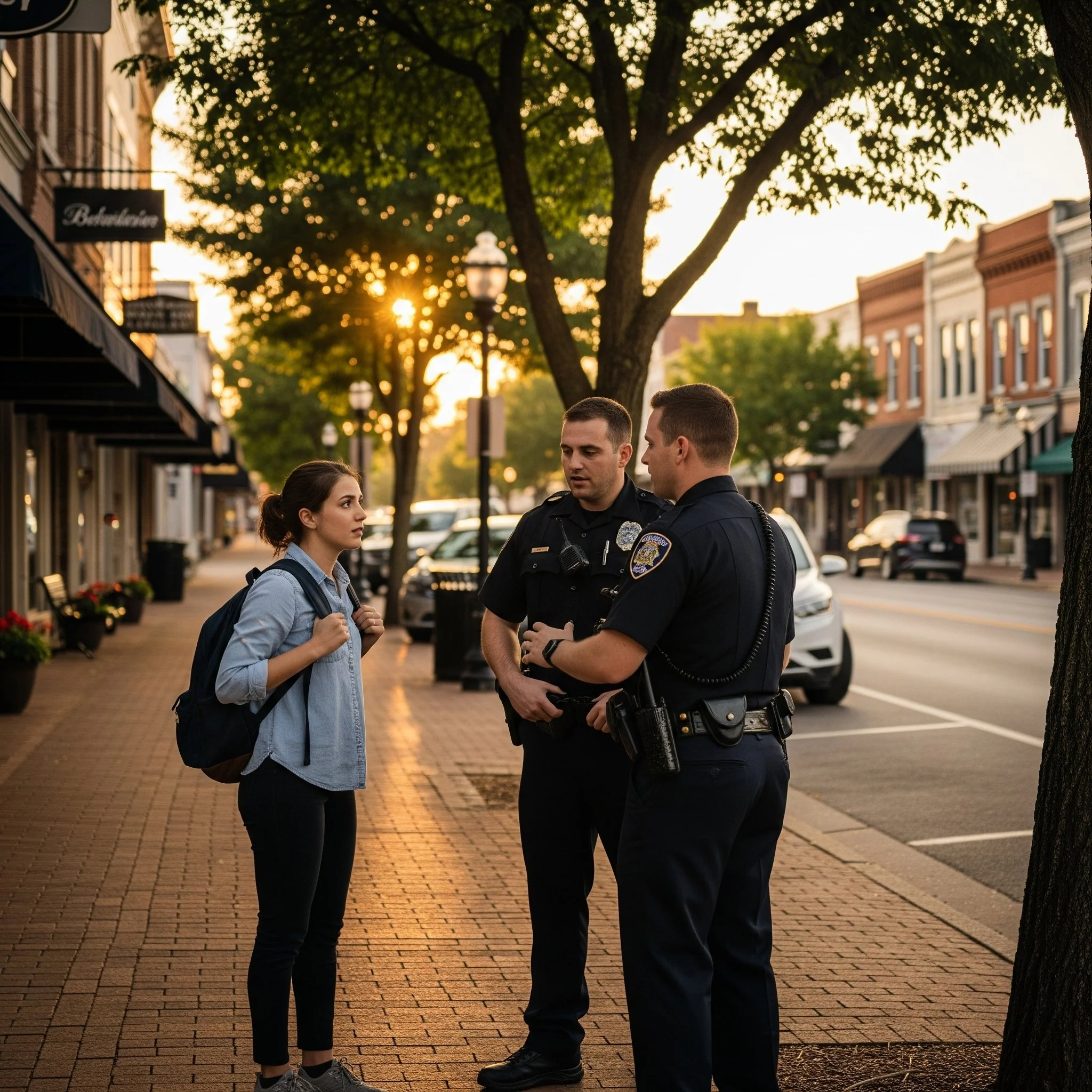
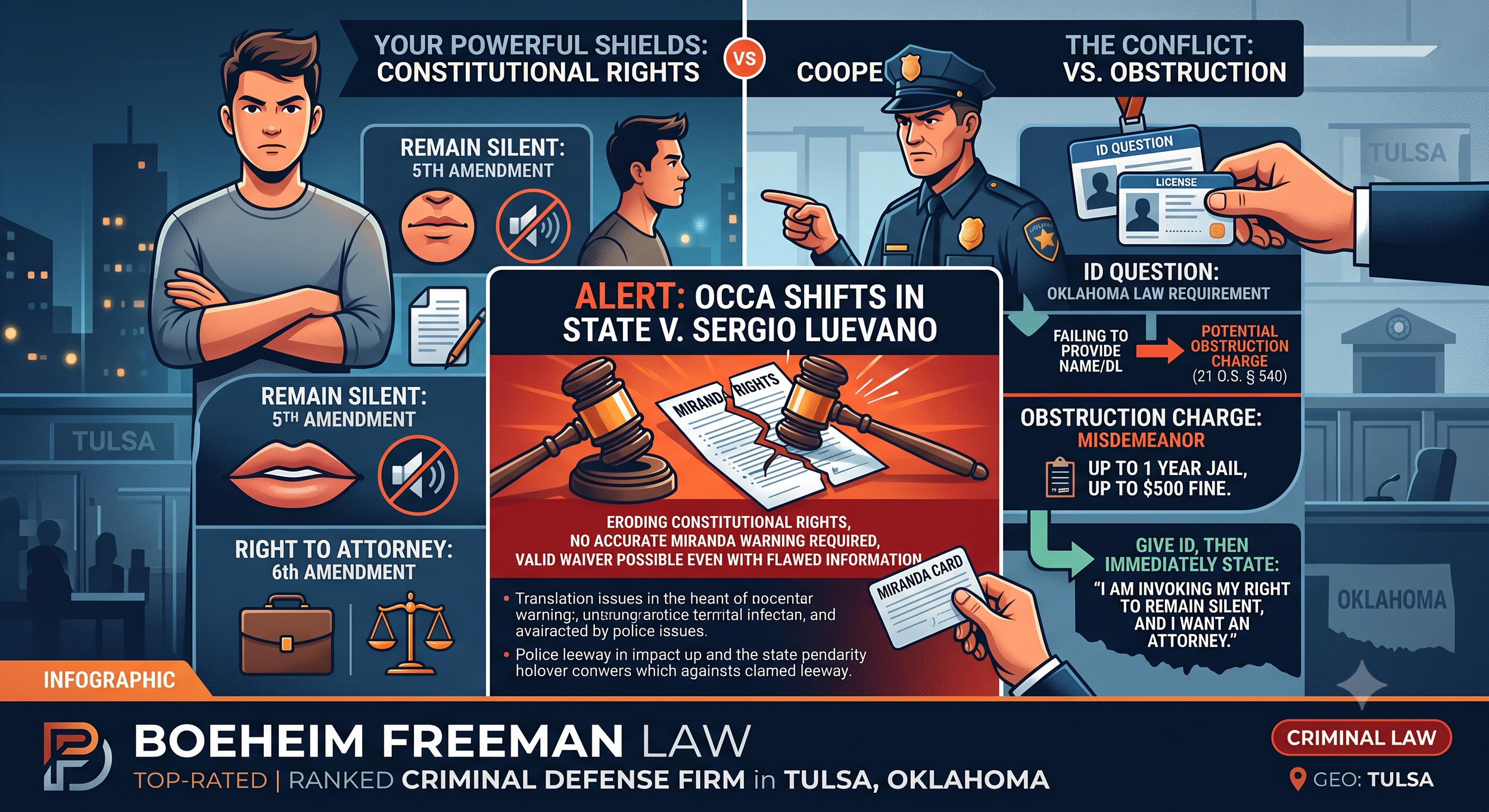
When interacting with Tulsa law enforcement, you hold two fundamental constitutional shields: the right to an attorney and the right to remain silent. Exercising these rights immediately is critical because anything you say can—and will—be used to build a case against you. However, navigating a police encounter in Oklahoma requires understanding the fine line between invoking your Fifth Amendment rights and facing unexpected legal complications.