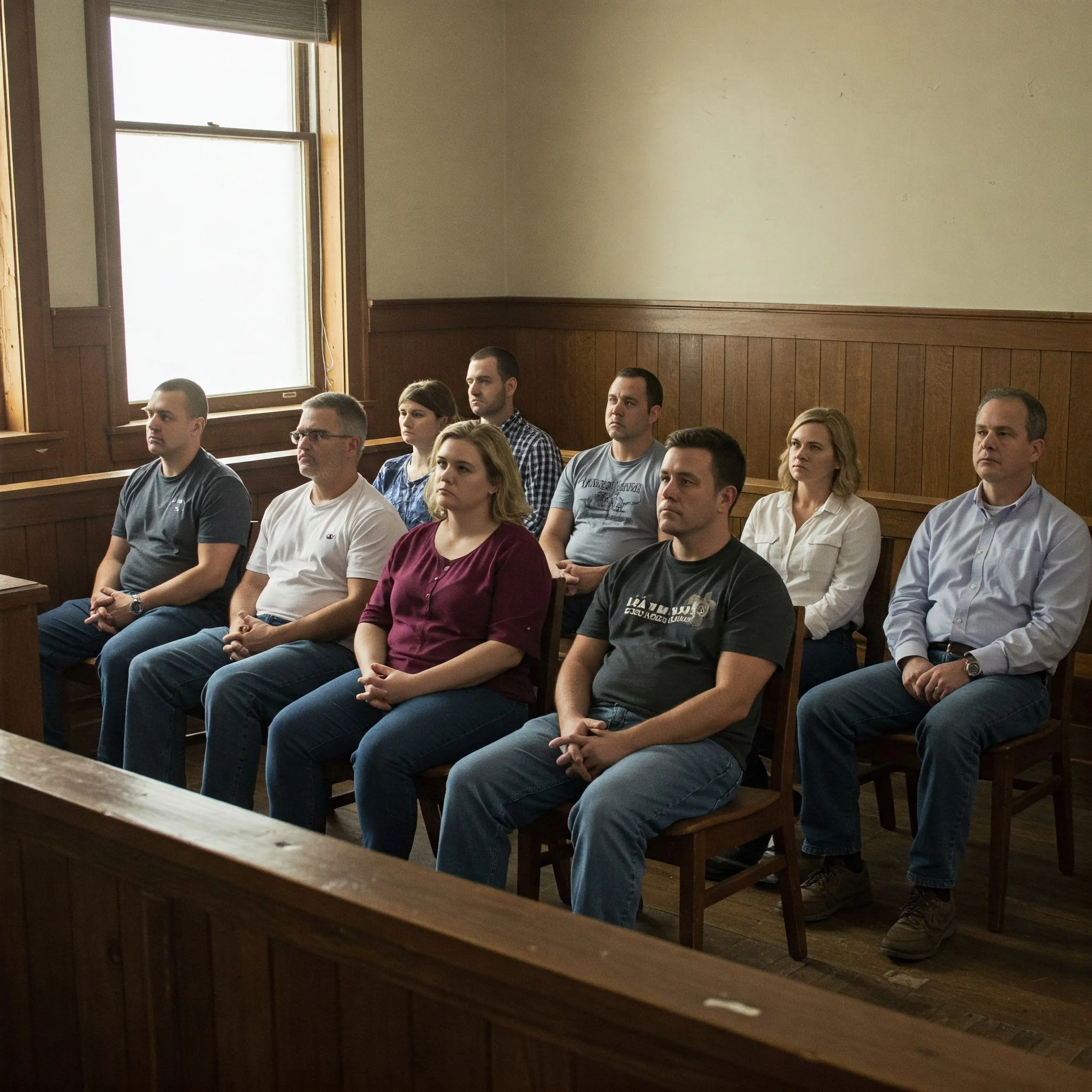
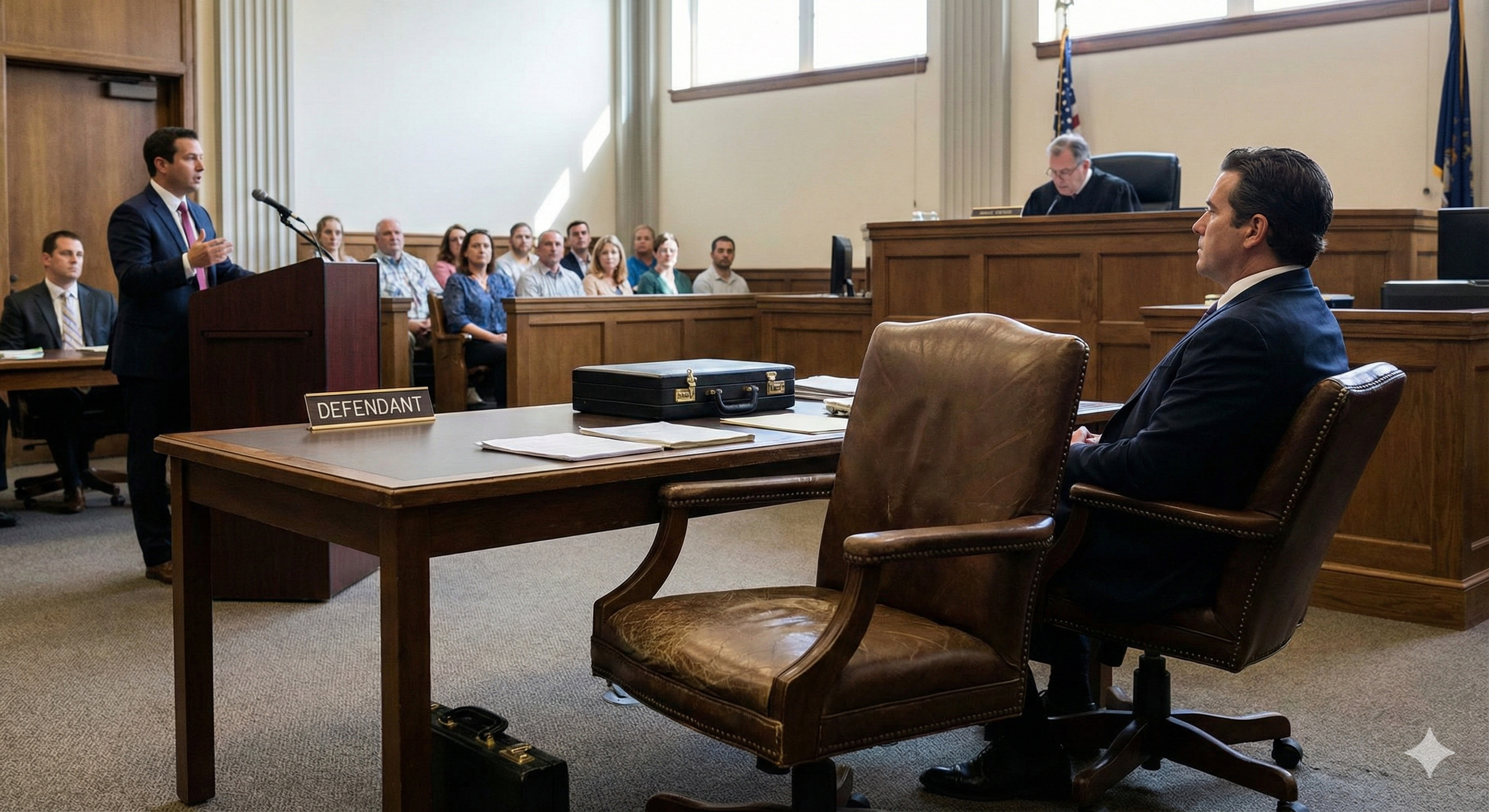
Though known legally as voir dire and colloquially as jury selection, trial practice in Tulsa County is functionally jury deselection—an elimination process rendered structurally unfair to criminal defendants long before attorneys ever enter the courtroom. Because the jury pools in Tulsa County are chosen based on DMV records, it is structurally skewed from the moment the summons are mailed.
Does a Missing Name Invalidate an Oklahoma Search Warrant?
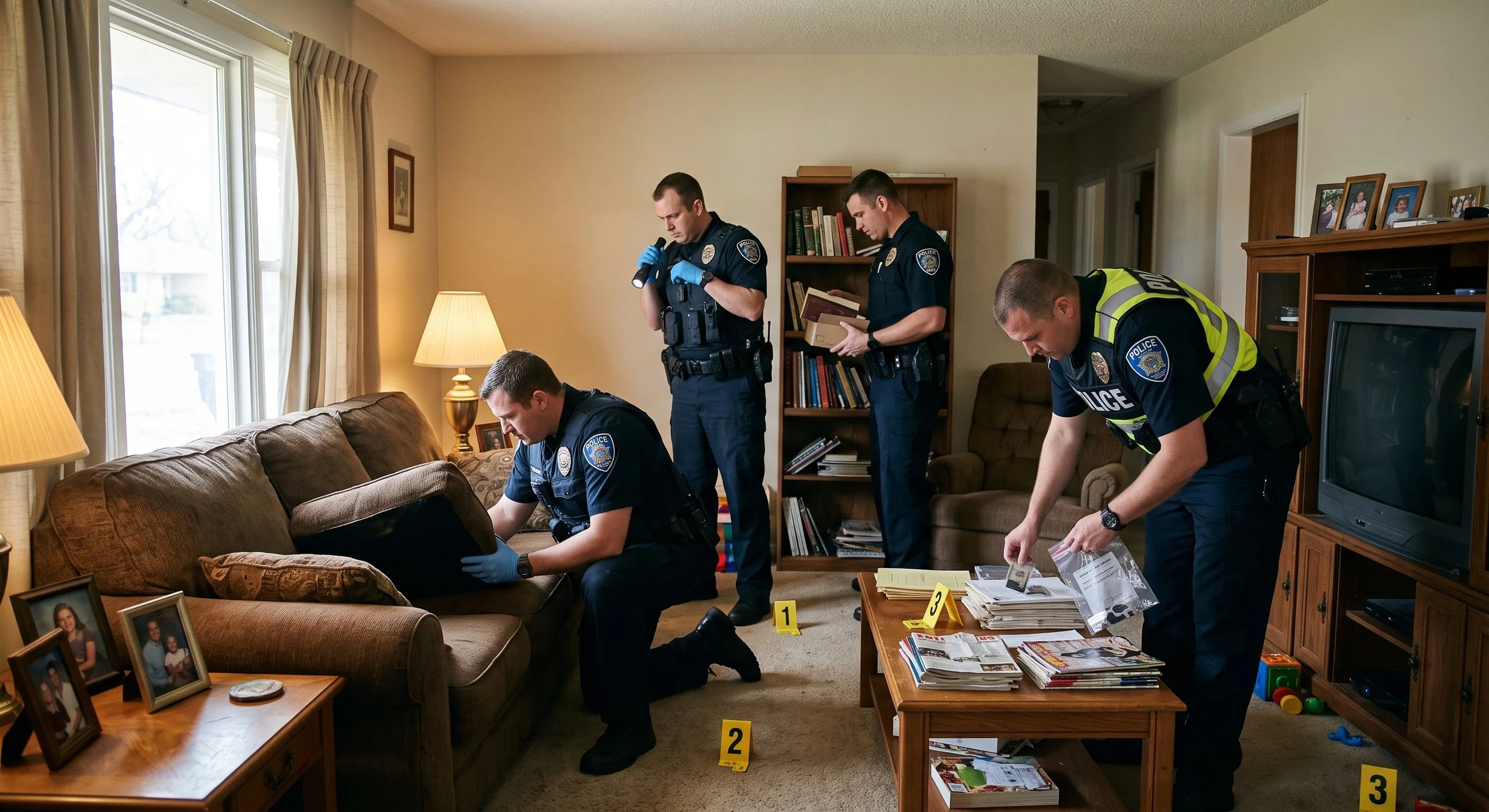
Under the Fourth Amendment, a search warrant must specifically describe the place to be searched and items to be seized. If Oklahoma police target a specific property (a "premises warrant"), establishing probable cause for that location is legally sufficient. Courts routinely uphold warrants using "John Doe" or omitting a name altogether, provided the physical address is accurate enough to prevent officers from searching the wrong home.
However, a warrant lacking a name becomes illegal if the property description is also vague (e.g., missing a unit number) or if officers use a premises warrant to conduct an illegal physical search of an unnamed person.
Limits to Pleading the 5th Amendment
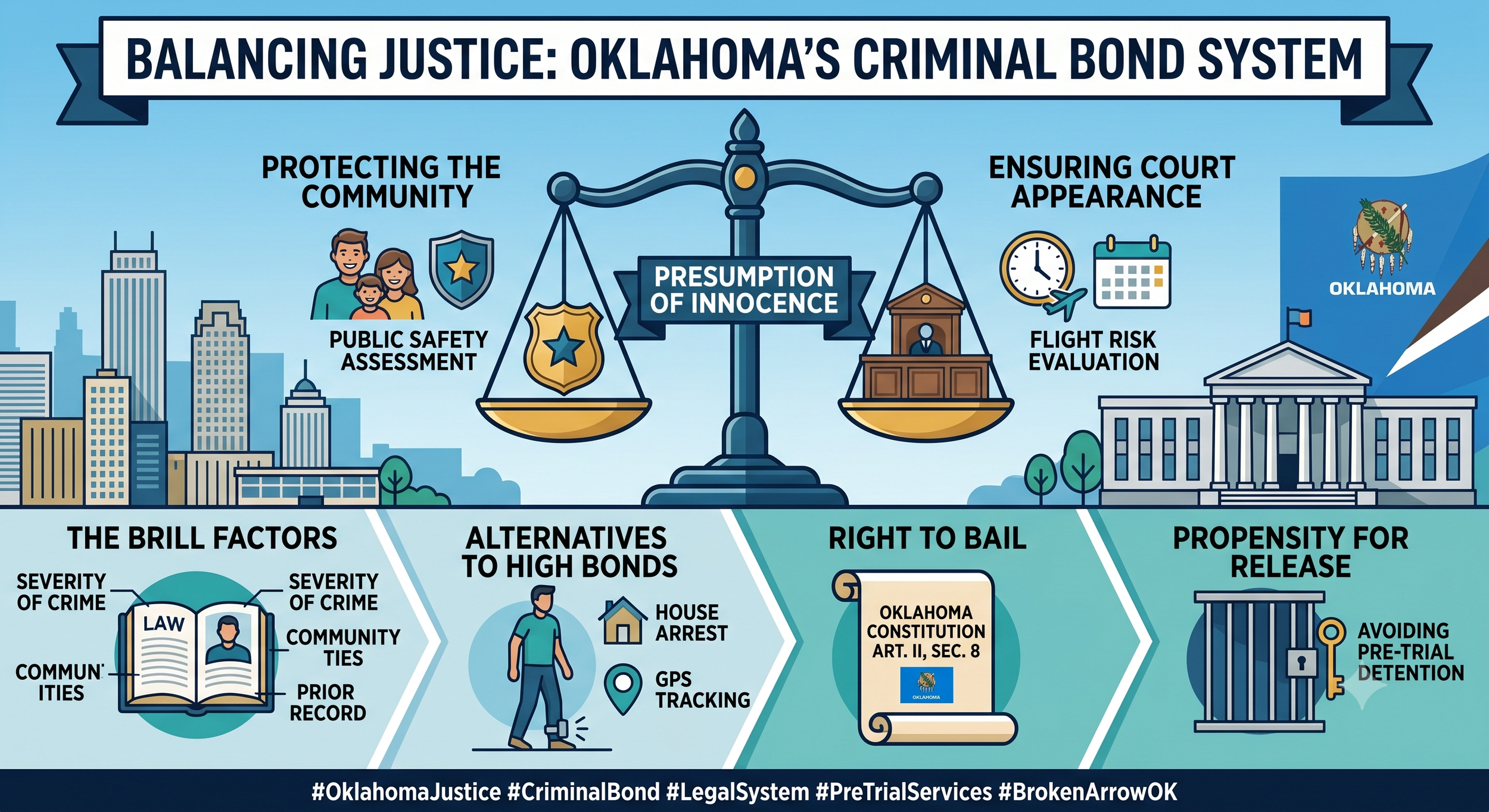
Balancing Justice: How Criminal Bonds are set in Oklahoma?
In the Oklahoma criminal justice system, the mechanism of setting bail is a delicate constitutional balancing act. At its core, the pre-trial bond system must balance two competing mandates: protecting public safety and ensuring that a defendant—who remains legally presumed innocent—returns to answer the charges in court. By law, bail is designed solely as a tool to guarantee court appearances, never as a mechanism for pre-trial punishment.
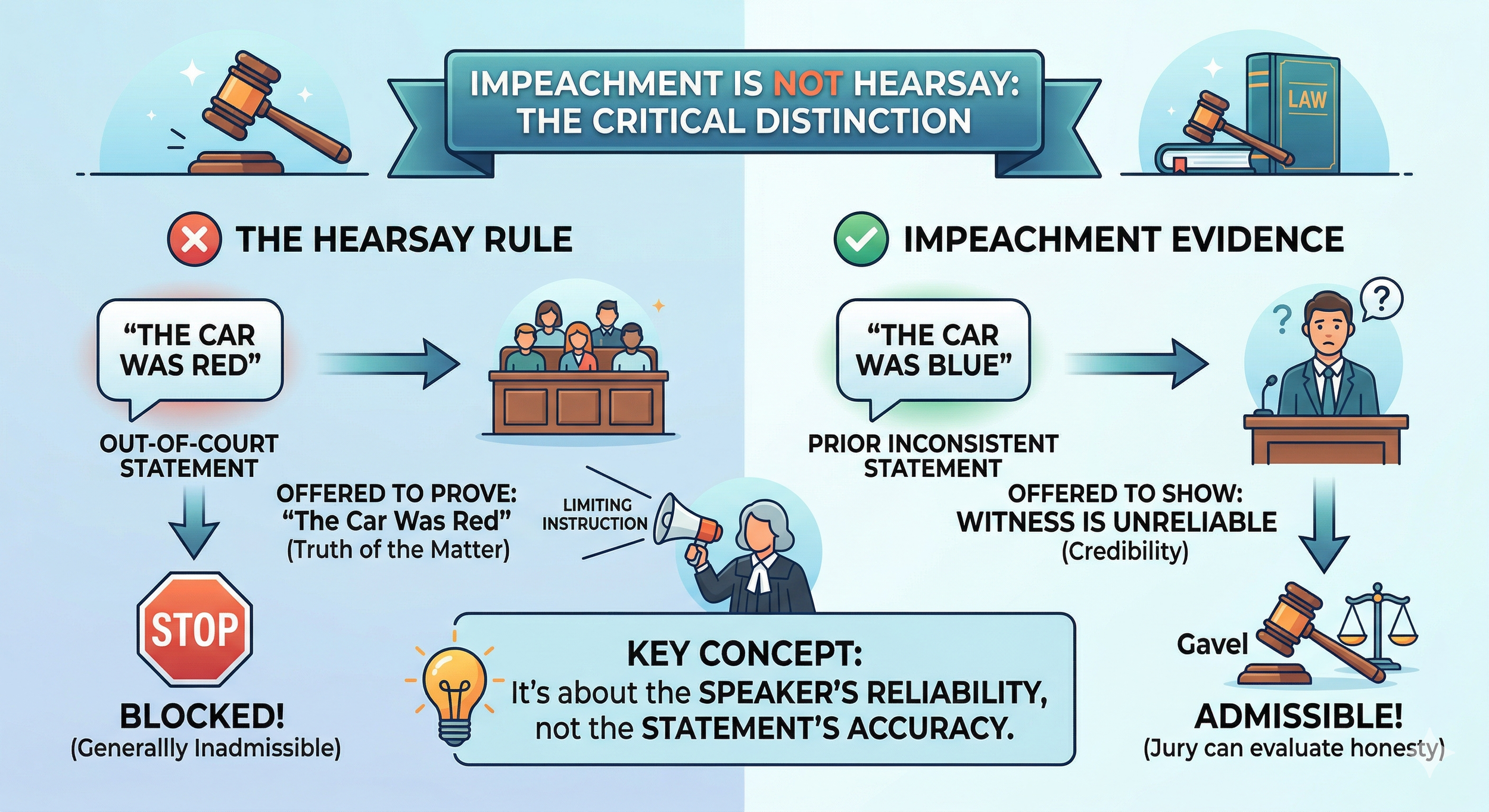
Why is Impeachment Not Hearsay?
Waiving the Right to Be Present in Criminal Court
Under Oklahoma law, the right of a criminal defendant to be present at trial is guaranteed by Article 2, Section 20 of the Oklahoma Constitution and Title 22 of the Oklahoma Statutes. While this right is fundamental, it is not absolute. Tulsa Oklahoma courts interpret this right as one that can be waived, either expressly by the defendant or impliedly through their conduct.
Are Portable Breath Tests Admissible?
Not at Trial!
Based on Oklahoma law and legal precedent, the primary legal argument for suppressing a portable breath test (PBT) in a DUI trial is that the results are inadmissible as a matter of law to prove intoxication or a specific blood alcohol concentration (BAC).
A defense attorney would file a "Motion to Suppress" or, more commonly, a "Motion in Limine" (a motion to prevent the prosecution from even mentioning the PBT results at trial) based on the following key arguments:
1. PBTs are Not Evidentiary Instruments
The central argument is that Oklahoma law distinguishes between preliminary, roadside screening devices (PBTs) and the official, evidentiary chemical tests (like the Intoxilyzer 8000) administered at a police station or detention center.
Limited Purpose: PBTs are legally intended for one purpose: to help an officer establish probable cause to make an arrest. They are screening tools, not diagnostic instruments.
Scientific Unreliability: The results are considered inherently unreliable for evidentiary purposes. Oklahoma courts have recognized that PBTs are not on the list of approved evidentiary breath-testing devices by the Oklahoma Board of Tests for Alcohol and Drug Influence (BOT).
2. Lack of Scientific Foundation (Unreliability)
A motion to suppress would detail the numerous, well-documented reasons why PBTs are scientifically unreliable, and therefore their admission would be highly prejudicial to the defendant. These reasons include:
No Standardized Calibration: PBTs are not subject to the same rigorous calibration, maintenance, and certification standards as the evidentiary Intoxilyzer machines.
Susceptibility to Contaminants: PBTs are highly sensitive to "mouth alcohol" and other interfering substances, which can create a falsely high reading. This can be caused by:
Recent consumption of an alcoholic beverage
Mouthwash or breath spray
Cough drops
Burping or acid reflux (GERD)
Environmental Factors: The results can be skewed by ambient temperature, humidity, and radio frequency interference.
Lack of Observation Period: Officers administering a PBT in the field do not conduct the mandatory 15-minute observation period required for an evidentiary test. This period is crucial for ensuring the subject's mouth is free from contaminants.
3. Prejudicial vs. Probative Value
The legal argument, rooted in the Oklahoma Evidence Code, is that even if the PBT result had any minimal "probative" value (tendency to prove a fact), that value is substantially outweighed by the danger of unfair prejudice.
Prejudice: A jury would likely be confused and give the PBT result the same weight as the highly regulated, scientific test from the police station. They might see a number and immediately assume guilt, without understanding the device's inherent flaws.
Probative Value: Since the PBT result is not a legally recognized measure of BAC, its only probative value would be to show the mere presence of alcohol, which is not illegal. Its value is minimal compared to the high risk of prejudice.
Author: Brian J. Boeheim
Brought to you by: Boeheim Freeman Law - 616 S. Boston Ave. - Tulsa, Oklahoma - 918-884-7791
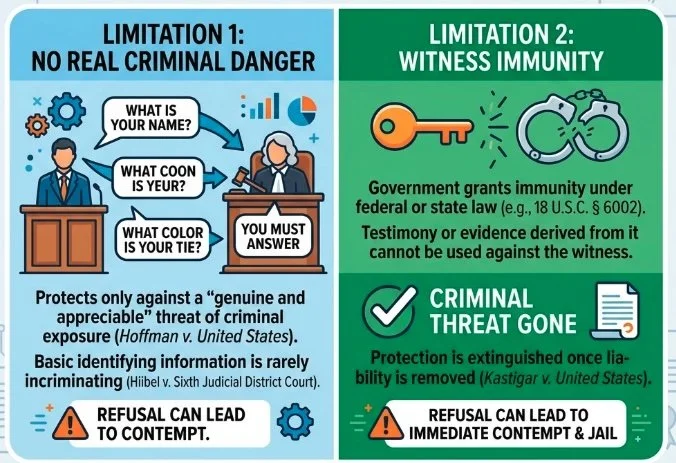
Pleading the Fifth: It Doesn't Mean You Can Always Remain Silent
The Fifth Amendment is a fundamental safeguard for the individual against the power of the state. But it's not a magic wand to avoid any and all uncomfortable questions in a legal setting. It is a specific and vital protection against being forced to be a witness in your own criminal downfall, and nothing more.
Defining Legal Possession of Guns or Drugs
Drug Trafficking - The Presumption of a Greater Crime
A significant misperception exists surrounding the criminal charge of drug trafficking in Oklahoma. The critical element that escalates a charge from simple possession to the much more severe offense of trafficking is not proof of sale, distribution, or transportation. It is purely the weight of the substance found in a person's possession.
The Gun Under the Seat: Why It's Legally Yours
Rising Gun Violence and Death Among Teens
Illegal Seizure and the 4th Amendment
Incompetence or Insanity?
The Big Debate on Bail Bonds
We have seen recently how having too low a bond allowed defendants with long violent criminal records to get back out on the street, only to commit more crimes and in some cases the death of innocent people. Judges have a difficult decision in balancing the constitutional rights of a defendant, who is innocent until proven guilty,
Right to a Speedy Trial in Oklahoma
4th Amendment – Not Justice for All
Leverage in Criminal Cases
4th Amendment - Unconstitutional Stop
Ret. General Flynn – A Cautionary Tale about Police Practices
What chance does the average person have if someone as smart, experienced, and savvy as Ret. General Flynn can be leveraged into pleading guilty? The facts speak for themselves: 29% of all DNA exonerations involved a false confession. If you are outraged by the FBI techniques used on Ret. General Flynn, then be just as outraged these same techniques are used on a daily basis by almost every police force in this country. It is time for a change.